Rodents thrive on opportunity. In Fresno, that opportunity can look like an unsealed weep hole, a warped garage door, or a fruiting citrus tree dropping snacks onto a gravel side yard. Add irrigation lines, a warm attic, and nearby food sources, and you have the makings Fresno pest inspection company of a thriving population of roof rats and house mice. Effective rodent control in Fresno depends on three pillars that reinforce each other: trapping to knock down current activity, exclusion to cut off entry and nesting, and monitoring to keep pressure from building again. When those pieces work together, you solve problems faster and for longer, with fewer callbacks and less collateral risk.
Fresno’s rodent picture: species, seasons, and neighborhoods
In practice, rodent control Fresno teams deal primarily with roof rats, house mice, and to a lesser extent Norway rats. Roof rats dominate older neighborhoods with mature landscaping, alleys, and overhead utility lines. They run high, nest in ivy, palms, and attics, and they treat fence tops like highways. House mice, lighter and more agile in small spaces, excel in garages, pantries, and commercial stockrooms. Norway rats are more common near canals, industrial yards, and older commercial foundations, where burrowing opportunities and ground-level harborage abound.
Seasonality matters. Pressure typically ramps up at the end of summer when orchard harvests wind down and nearby fields are disturbed. The first cooling nights push rodents toward warmer structures. After heavy rains, I see activity shift again as burrows collapse and rodents seek new shelter. Understanding these patterns leads to smarter timing for trapping and exclusion, and better decisions on where to invest labor.
What drives rodent pressure in the Central Valley
Local construction styles and climate shape how we hunt and block mice and rats. Fresno’s mix of stucco over wood, tile or composition roofs, and vented crawl spaces creates a predictable set of access points. Dryer climates encourage exterior water lines and drip irrigation, which, when leaking, draw consistent rodent traffic. Fruit trees, backyard chickens, same-day pest service and pet feeding routines amplify the problem. On the commercial side, bakeries and food processing sites along major corridors require tighter sanitation controls and stricter monitoring schedules than a typical residence.
A few examples from the field illustrate the difference small details make:
- A Clovis home with pristine housekeeping still had droppings in the pantry every few nights. The issue wasn’t inside. A warped garage door seal left a quarter-inch light gap, just enough for mice. Once we replaced the astragal and installed a rodent strip, trapping inside dropped to zero within a week. A southeast Fresno restaurant backed onto a delivery alley with overflowing dumpsters. Staff cleaned religiously indoors, yet cockroaches and mice kept arriving. Relocating the dumpster pad, adjusting pickup frequency, and sealing a half-inch gap around a conduit did more than a month of reactive service ever could. This is where integrated pest management Fresno CA practitioners prove their value, linking sanitation and structural detail to pest pressure.
The first pillar: trapping that works and keeps working
Trapping is the fastest way to reduce a population once it has broken inside. It’s visible, it builds trust, and it provides data. But the difference between a few traps tossed under a sink and a professional trapping program is night and day.
I build trap counts based on square footage and severity. For a 1,800 square foot Fresno residential pest control account with moderate signs, 12 to 20 stations indoors and in the garage isn’t unusual during the first week, plus eight to 16 exterior bait stations or multi-catch traps. Placement beats quantity, though. If droppings show up along a wall under the kickboard, I set against that wall, not in the middle of a room. If we hear activity in the attic over a vaulted ceiling, I follow rafters and lay snap traps perpendicular to the runways, using the beam edges to guide rodents over the trigger.
Baits matter, but not in the way most think. For roof rats, fresh fruit slices, nut butters, or a starchy spread often outperform pellets indoors because they mimic existing food sources. For mice, a rotation of attractants prevents bait fatigue. I’ve gotten more catches from a tiny piece of chocolate in February than from a pound of standard bait during almond harvest. Scent and novelty count.
Commercial pest control in Fresno often requires tamper-resistant stations and documented trap maps. We number stations, record captures, and track trends over time. When a warehouse shows repeated captures near Door 6 and none along the north wall, we focus sealing and sanitation resources around Door 6 instead of spreading effort thin. If you’re working with an exterminator Fresno CA business that doesn’t share these maps, ask them to. Good maps tell the story of your site.
Homeowners sometimes ask for rodenticides inside because they want quick results. I rarely recommend it indoors. Dead rodents in walls or vents are more common than people realize, and residues raise safety concerns for kids and pets. Snap traps and multi-catch devices get it done without the smell and the risks. If your situation truly calls for a toxicant, use an exterior station with the right formulation, set away from non-target activity, and follow label and municipal requirements. A licensed and insured exterminator will explain these choices and document them in your pest inspection Fresno report.
The second pillar: exclusion is the long-term fix
Trapping quiets a house. Exclusion keeps it quiet. The top failures I see come from partial sealing, the wrong materials, or sealing at the wrong time. If you godown to the crawl space and foam a gap while rodents are inside, you just locked them into your structure. Always confirm interior captures are trending down before sealing primary exits, or install one-way devices at the eaves and soffits so remaining rodents can leave but not return.
Common entry points across Fresno include roof-to-wall intersections, lifted tiles, gable and soffit vents with aging screens, foundation vents with bent louvers, and utility penetrations for gas, water, and HVAC. Garages are repeat offenders because door seals wear fast in summer heat. I bring a mirror on an extendable handle to scan the underside of tile edges and eaves, and a smoke pen to pick up airflow through subtle gaps. If light shows around a door during a mid-day inspection, a mouse sees a freeway at night.
Materials matter. Cement board patches, 23-gauge stainless steel mesh, sheet metal flashing, and non-hardening sealants hold up. Expanding foam alone won’t. Rodents chew through it like popcorn. If foam is used, it’s strictly to fill behind hidden mesh or backer rod where they can’t start a purchase. For attic and crawl spaces, upgraded vent screens reduce entry without choking airflow. Attic and crawl space sealing Fresno CA projects often pair with insulation cleanup after an infestation. It’s dirty work, but worth doing. Droppings and urine-scented insulation call rodents back, and the smell is a real indoor air issue.
Some sites need carpentry. Rotten rake boards or a lifted fascia create a gap big enough for a rat and invite roof leaks later. This is where a pest exclusion services team with construction experience beats a spray-and-pray approach. If your provider offers a free pest inspection, ask for a written exclusion scope with photos. A clear scope specifies the materials, locations, and warranty terms. I prefer to warranty exclusion work for at least a year, sometimes longer if the structure allows full sealing.
The third pillar: monitoring that earns its keep
Monitoring should answer simple questions. Are rodents still active? Where? Is it getting better or worse? For homes, I combine three lines of evidence. First, visible signs: droppings, grease marks, gnawing, and fresh rub. Second, devices: interior traps and exterior stations with counters or catch logs. Third, technology when it fits: remote sensors that ping a catch or a station disturbance. In Fresno, cellular coverage is generally good enough for connected stations at commercial sites, though the cost needs to pencil out. I reach for these tools when a site has critical risk or when after-hours access is limited.
Monitoring also checks the work of exclusion. If captures persist on the same indoor line two weeks after sealing, we missed something. I revisit at night with a thermal camera or a simple headlamp and ear for movement. Two a.m. tells you more about a rat problem than any noon appointment.
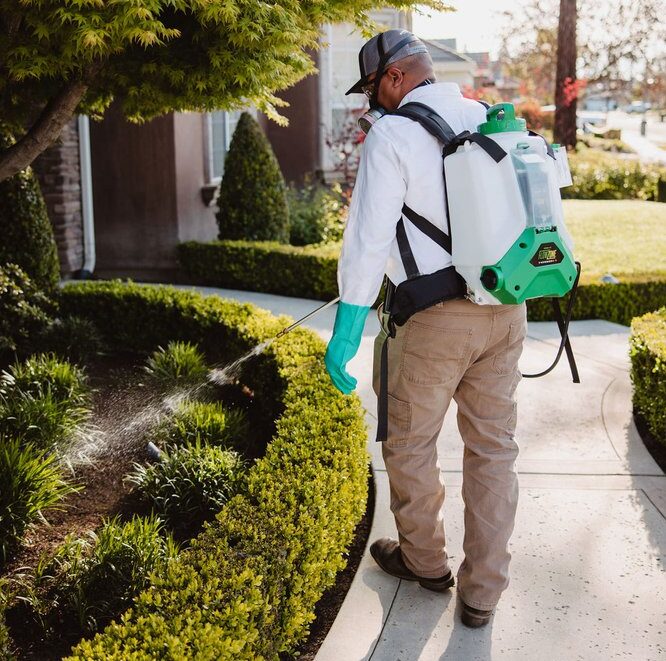
Fresno quarterly pest service programs blend monitoring with light maintenance. For low to moderate pressure neighborhoods, a quarterly outside perimeter service with inspections of eaves and crawl space vents holds the line. For high-pressure corridors near canals or food facilities, monthly is more realistic. Year-round pest protection at these sites flies on the strength of monitoring notes and fast response, not on a heavy chemical footprint.
Health, safety, and legal considerations
Rodents carry pathogens and parasites. Hantavirus risk is higher in deer mouse territory, which is more a foothill concern, but inside Fresno city limits the bigger issues are salmonella, leptospirosis, and allergens. Disturbing droppings without control measures creates aerosol hazards. When we perform cleanouts, we use respirators, HEPA vacuums, and enzyme-based cleaners. Homeowners should avoid sweeping dry droppings. Dampen and remove with disposable towels or hire a team equipped for remediation.
Regulatory frameworks evolve, and second-generation anticoagulant rodenticides are under scrutiny in California, especially due to raptor and predator poisoning. Eco-friendly pest solutions emphasize mechanical trapping and structural fixes first, then careful use of first-generation baits or non-anticoagulant actives in locked, labeled stations when needed. Fresno organic pest control conversations sometimes conflate organic with harmless. The safer reading is this: prioritize tactics that do not introduce persistent toxins into your environment. Integrated pest management Fresno CA practices formalize that priority. Inspection first, identification second, thresholds and action plans third, with verification at the end.
Coordinating rodent control with other pest needs
Rodent problems rarely live alone. The same entry points that let mice in often invite cockroaches into wall voids and ants into warm kitchens. The same yard conditions that favor roof rats, like dense vegetation and fruit, also harbor spiders and, during wet years, mosquitoes. A whole-property plan saves money and frustration.
If you already have a provider for cockroach control Fresno or ant control Fresno, ask if their tech can walk the exterior for rodent vulnerabilities during a routine service. Many companies, ours included, integrate rodent checks into pest prevention plans. For spider control Fresno, eave sweeps that clear webs often reveal fascia gaps and lifted vents. If you schedule bed bug extermination Fresno, coordinate prep so that the team can place temporary rodent monitors after clutter is reduced. Cross-training techs reduces blind spots and gives you a single point of accountability.
Mosquito control services and flea and tick treatment play supporting roles. Overwatered lawns and standing water attract insects that then draw in rodents hunting larval-rich areas or feeding under bird baths. Backyard chickens create a convergence of rodent food and ectoparasites, so site-specific measures like raised, sealed feed bins and daily coop cleaning matter. Each of these adjustments tightens the ecosystem around your property, lowering overall pest pressure.
Residential versus commercial: different rhythms, same principles
Fresno residential pest control lives with the family. Equipment needs to be pet-safe, trapping discreet, and schedules flexible. Same-day pest service helps when a homeowner discovers a rat on a Friday night before guests arrive. Emergency pest control Fresno CA means someone answers the phone and can triage. Sometimes that triage is a handful of snap traps, a temporary door sweep, and a promise to return Monday with a lift for a tile repair. Being honest about what can be solved in a single visit builds trust.
Commercial accounts run on compliance, documentation, and predictable uptime. Food producers, restaurants, and grocery stores require documented pest inspection Fresno records, device maps, and trend reports. A missed log entry can be as damaging as a missed trap. This is where integrated pest management Fresno CA programs shine. They assign responsibility for sanitation tasks, set acceptance thresholds, and define escalation paths. If exterior captures exceed a limit for two successive checks, for instance, the plan might require a dumpster relocation or a different sweeping schedule. Auditors like to see that logic, and frankly, so do I.
What a thorough rodent inspection looks like
A real inspection covers the structure, the yard, and adjacent influences like alleys and neighboring landscapes. I start with the stories. Where did you hear noises, and when? Any sightings, droppings, chew marks? I map the house in my head as you talk.
Then I walk the perimeter slow, eyes up. Roof lines, tile edges, conduits, cable penetrations, chimney caps, and trim transitions. I look for grease marks on the top of fences and along utility lines that reach from poles to eaves. Down low, I check weep screeds, door sweeps, and air gaps at corners. If I can slip a pencil through, a determined mouse can follow.
Inside, I check the garage first, then kitchen and laundry, then attic hatches. The attic tells the truth. New droppings look glossy and tar-like. Aged droppings dull and crumble. Fresh rub marks smudge on my glove. Thermal cameras help, but so does patience. Ten quiet minutes in a dark garage with the lights off can reveal a runway you’d otherwise miss.
A professional report should separate findings into activity, vulnerability, and recommendations. Activity includes evidence and likely paths. Vulnerability lists conditions like missing screens or poor sanitation. Recommendations outline trapping counts and locations, specific exclusion tasks, and a monitoring cadence. If the company offers a free pest inspection, expect at least this level of detail before you sign.
Building a plan that respects your property and time
Plans start heavy and taper. In the first week or two, we trap aggressively and hold off on heavy sealing unless we’re sure we won’t trap animals inside. By week two or three, we shift energy from knockdown to exclusion, then settle into monitoring. For most homes, four to six weeks covers the arc. For commercial sites or properties with complex architecture, the timeline can stretch, especially if carpentry or insulation replacement is needed.
Communication keeps a plan on track. I prefer short, dated updates with photos: Day 3, three catches in the garage, none in the kitchen. Installed two one-way devices at south eave. Day 10, no interior captures for five days, exterior stations show light feeding near the side gate. Scheduled attic sealing. These notes matter when you evaluate year-round pest protection or a maintenance plan later.
What to do between visits
Most homeowners want to help, and there’s real value in small adjustments. Store pet food in sealed containers, never in the original bags. Pick up fallen fruit every few days during peak drop. Avoid feeding outdoor birds until activity is under control, and even then, consider baffles and seed catchers that limit spillage. Fix irrigation leaks promptly. Keep firewood and stored items at least a foot off the ground and a foot from walls, ideally more. Trim vegetation back from the structure so that no branches touch the roof or eaves.
If you hear new noises at night or see fresh droppings, snap a photo with a coin for scale and send it to your tech. Timing matters. Rodents can establish new routes in a day or two, and early response prevents a full reset.
When choosing a provider in Fresno
The best sign you’ve found the right partner is how they talk about the problem. If the conversation is only about bait or only about traps, keep looking. You want a company that threads trapping, exclusion, and monitoring together, and that can also handle the broader pest landscape: cockroach control Fresno, ant control Fresno, spider control Fresno, and seasonal mosquito control services if your yard demands it. Ask whether they are a licensed and insured exterminator and how they document service. If you need flexibility, confirm they offer same-day pest service and can respond after hours for emergency pest control Fresno CA when something breaks loose at the wrong time.
Some clients prefer lighter-chemical approaches. Fresno organic pest control is a reasonable request if defined carefully. Expect more emphasis on physical exclusion, sanitation, trapping, and habitat modification. Eco-friendly pest solutions do not mean no action. They mean the right action with the least collateral impact.
Finally, consider whether a maintenance program suits your property. Fresno quarterly pest service is a good baseline for many homes. Higher-pressure sites might step up to bi-monthly during peak seasons and scale back in winter. Pest prevention plans that include periodic re-inspections of attic and crawl spaces and minor touch-up sealing save money compared to one big crisis every couple of years.
A few field-tested details that make a difference
- Place a dab of bait behind the trigger on snap traps, not just on top. This forces a committed pull and improves catch rates for cautious roof rats. Use a carpenter’s square to check door bottoms. If the light gap grows toward one side, the track may be out of level. Correcting that can seal a door better than any sweep. On tile roofs, install stainless steel “bird blocks” or mesh guards at the open tile ends near the eaves. Roof rats treat these voids like hotel rooms. For utility penetrations, pair silicone with a fitted escutcheon plate or sheet metal collar. Sealant alone shrinks in heat and opens again. In warehouses, chalk a fine line along suspect runways at the base of racks. Footprints overnight confirm traffic and guide station placement.
These are small moves, but they add up to fewer surprises and faster control.
Bringing it together
Rodent control Fresno professionals who succeed long-term do the same three things reliably. They trap with intent, guided by signs rather than guesswork. They seal the structure with the right materials at the right time. They monitor what matters and adjust without ego. Property owners who partner on sanitation and habitat keep that success rolling.
If your roof rat problem started after a nearby lot was cleared, or your house mouse issue spikes each fall, you’re not imagining it. The Central Valley’s rhythms shape pest pressure. Instead of fighting those rhythms one crisis at a time, build a plan that anticipates them. Whether you call for a free pest inspection to get a baseline, enroll in year-round pest protection, or request targeted pest exclusion services with attic and crawl space sealing Fresno CA specialists, the payback shows up in quieter nights, cleaner storage, and fewer worries about what moved behind the wall at two in the morning.
Valley Integrated Pest Control 3116 N Carriage Ave, Fresno, CA 93727 (559) 307-0612